What is USDT
Understand what USDT is and how it works
Written By _flush_f0x_
Last updated 14 days ago
USDT, also known as Tether, was one of the very first stablecoins, launched in 2014, and it remains the most widely used cryptocurrency of its kind anywhere in the world by trading volume. Like USDC, each USDT is designed to always equal one US dollar, giving you the speed and reach of crypto with none of the price swings. If you have ever seen crypto prices quoted against “USDT”, that is because it has become a standard digital stand-in for the dollar across the entire industry.
What USDT is
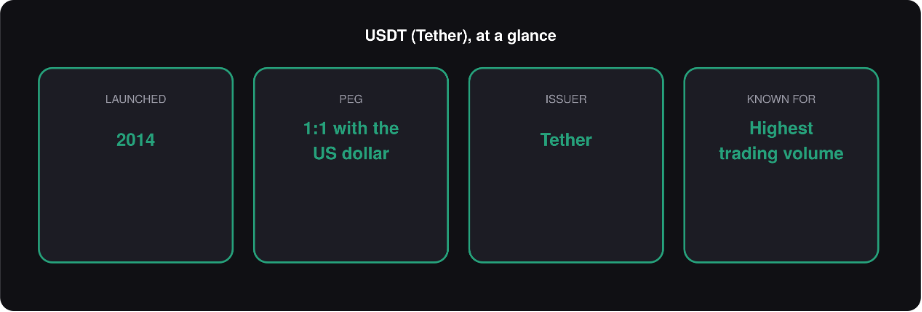
Figure 1: USDT, at a glance
USDT is issued by Tether and is designed to hold a steady value of one US dollar, backed by reserves that Tether reports on in regular publications. What sets USDT apart most is its sheer scale and reach: it is accepted almost everywhere crypto is used, and it consistently has the highest trading volume of any stablecoin. That ubiquity makes it one of the most liquid and convenient digital dollars available, and often the default stablecoin an exchange or wallet will offer.
For everyday use, that reach is the main practical benefit. Wherever you are moving funds from, the chances are USDT is supported, which makes it a dependable choice for getting a stable-value balance in and out quickly.
How it works
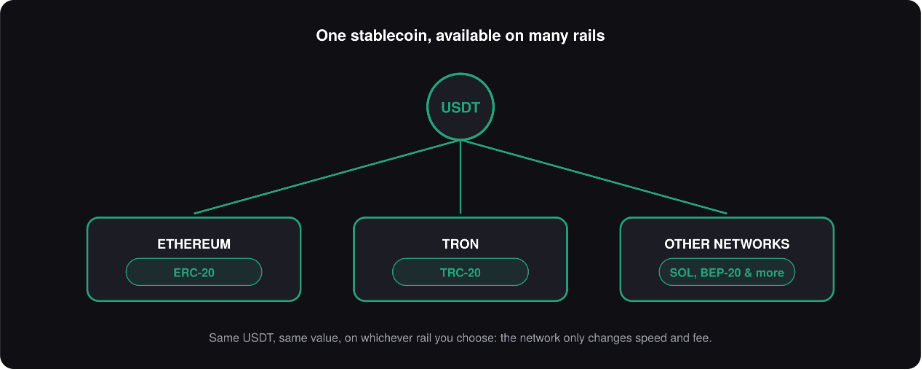
Figure 2: the same coin, travelling on several different rails
USDT is not limited to one network. It runs on Ethereum using the ERC-20 rail, on Tron using TRC-20, on Solana, and on several other networks besides. This is exactly the situation our crypto rails guide describes: the coin itself is identical and worth the same dollar on every rail, so the real choice you make when sending USDT is which network to use. That choice matters, because the fee and speed can differ significantly between rails.
In practice, this is why so many USDT transfers happen on Tron: the TRC-20 rail is typically fast and extremely cheap, which suits everyday deposits and withdrawals especially well. Whichever rail you pick, the golden rule is always the same: the network you send on must match the network the receiving address expects.
TRC-20 is the popular choice for a reason
As covered in our Tron guide, sending USDT over the TRC-20 rail is typically fast and remarkably cheap, which is why it has become the default choice for many everyday deposits and withdrawals. Whichever rail you choose, always make sure it matches the network shown on the receiving address, the one crypto mistake genuinely worth avoiding.
USDT compared with USDC
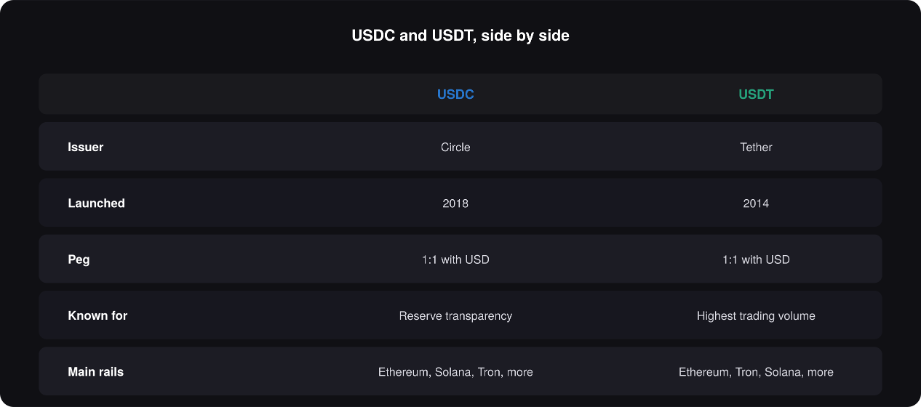
Figure 3: two digital dollars, the same core job
USDT and USDC are the two largest stablecoins, and they do the same fundamental thing: hold a steady value of one US dollar. The differences are about issuer and track record rather than how they function. USDT, issued by Tether, is the older of the two and has by far the highest trading volume and broadest acceptance. USDC, issued by Circle, is particularly known for its reserve transparency. Both are excellent for a stable-value balance, and many people simply use whichever is most convenient where they hold their funds.
USDT at a glance
What choosing a rail looks like in practice
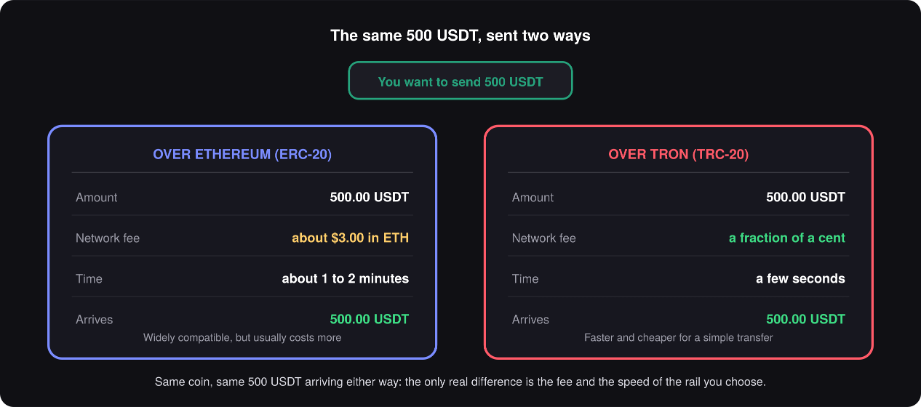
Figure 4: the same 500 USDT, two real options
Because USDT lives on several networks, the real decision you make when sending it is which rail to use, and the difference is concrete. Send 500 USDT over Ethereum and the full amount arrives, but you pay a larger gas fee in ETH and wait a minute or two. Send the same 500 USDT over Tron and it arrives just as reliably, in seconds, for a fraction of a cent. Same coin, same amount: the rail is what changes the fee and the speed.
Using USDT on Flush.io
To deposit USDT, choose it on the deposit page and then select the network you want to send it over, matching that network exactly in your wallet or exchange. For the lowest fees and fastest confirmations, USDT on Tron (TRC-20) is usually the best pick; USDT on Ethereum (ERC-20) is also widely supported but can cost more when the network is busy. Because USDT holds its dollar value, the amount you send is the amount that arrives in your balance.
Good to know
The most liquid stablecoin available. USDT’s scale means it is supported almost everywhere, making it a dependable choice across exchanges and wallets.
Rail choice matters more than coin choice. Since USDT is the same value everywhere, the network you send it on determines your fee and speed: TRC-20 is usually fastest and cheapest.
A steady balance while you play. A USDT deposit holds its dollar value in your balance, with none of the price movement of coins like Bitcoin or Ethereum.
USDC is a close alternative. If you prefer a different issuer for the same stable-value purpose, the comparison above and our USDC guide cover it.
Always match the network. USDT travels on several rails, so matching the network on both ends is essential: our crypto rails guide explains why.
A dependable default for most players. Given its availability and stability, USDT is one of the most straightforward coins to deposit and withdraw with confidence.
Was this helpful?
Still need help? Ask the team