What is Bitcoin?
Learn more about Bitcoin
Written By _flush_f0x_
Last updated 14 days ago
Bitcoin was the first cryptocurrency, launched in 2009 by an anonymous creator known only as Satoshi Nakamoto, and it remains the most widely recognised digital asset in the world. It introduced a genuinely new idea: money that could be sent directly between any two people, anywhere, without a bank or payment company in the middle, secured instead by a global network that no single party controls. Everything that came after in crypto, including every other coin in this series, traces back to the ideas Bitcoin proved could work.
What Bitcoin is
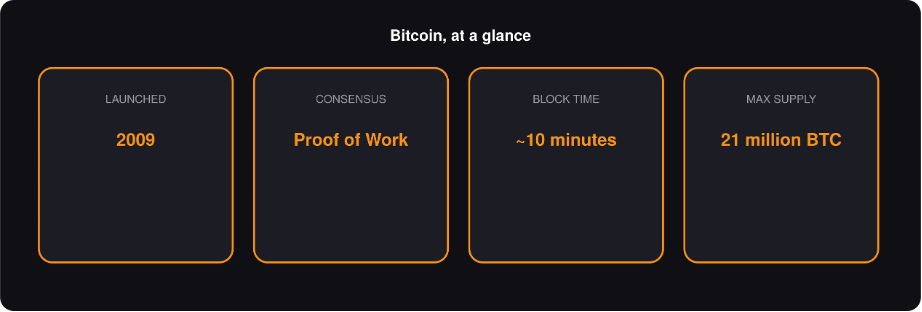
Figure 1: Bitcoin, at a glance
Bitcoin has a fixed maximum supply of 21 million coins, a limit written permanently into the network’s rules and impossible for anyone to change. New coins enter circulation gradually as a reward to the miners who secure the network, and that issuance slows over time on a fixed schedule. This built-in scarcity, combined with more than a decade of uninterrupted operation, has earned Bitcoin its reputation as “digital gold”: something people hold as a long-term store of value, as well as use for payments.
It is also worth knowing what Bitcoin deliberately is not. It was not built to be fast or feature-rich; it was built to be secure, predictable, and resistant to change. That focus is exactly why it remains the most trusted name in the space, even as newer networks have arrived offering higher speed and lower fees for everyday transfers.
How it works
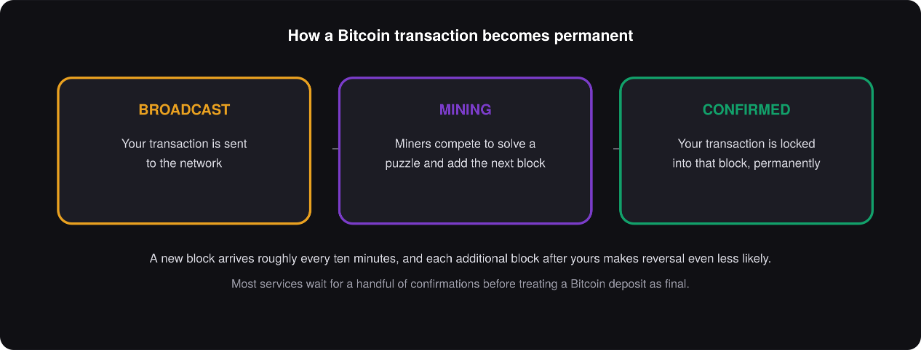
Figure 2: from broadcast to permanent record
Bitcoin runs on a system called Proof of Work. When you send Bitcoin, your transaction is broadcast to the network, where specialised computers called miners compete to solve a difficult cryptographic puzzle. Roughly every ten minutes, one miner wins the race and adds the next “block” of transactions to the shared ledger, the blockchain. Each new block added after yours makes your transaction even more firmly settled, which is why services wait for a few confirmations before treating a Bitcoin deposit as final.
This process is what makes Bitcoin both secure and decentralised. There is no central server to attack and no company that can freeze or reverse a payment, because the network is maintained by thousands of independent participants all following the same rules. The trade-off is speed: that roughly ten-minute rhythm is deliberate, prioritising security and predictability over instant settlement.
Sats: Bitcoin’s smallest unit
You never need a whole Bitcoin to use it. Each one divides into 100 million smaller units called satoshis, or “sats”, so you can deposit, hold, and withdraw any fraction you like. A price of one Bitcoin in the tens of thousands of dollars simply means most everyday amounts are measured in sats.
What people actually use Bitcoin for
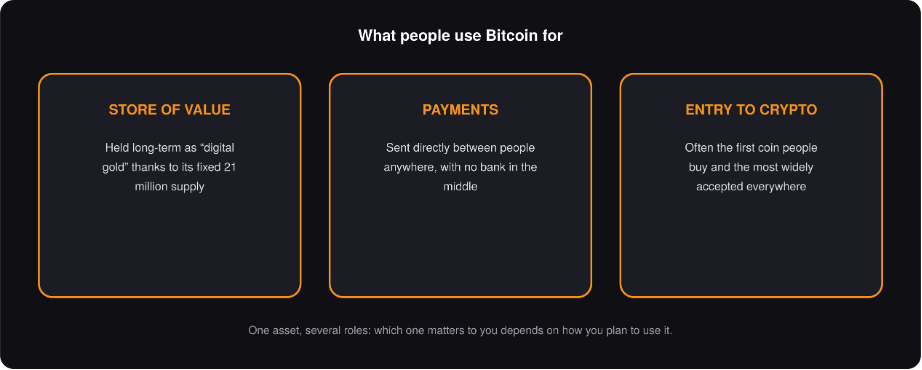
Figure 3: one asset, several distinct roles
Bitcoin fills a few different roles depending on the person holding it. Many treat it primarily as a long-term store of value, holding it much as they might hold gold. Others use it as a payment method, sending it directly to people or platforms anywhere in the world. And for a great many people, it is simply the first cryptocurrency they ever buy, the on-ramp into crypto, because it is the most universally supported and recognised. All three uses rely on exactly the same underlying network.
Bitcoin at a glance
What a deposit looks like in practice
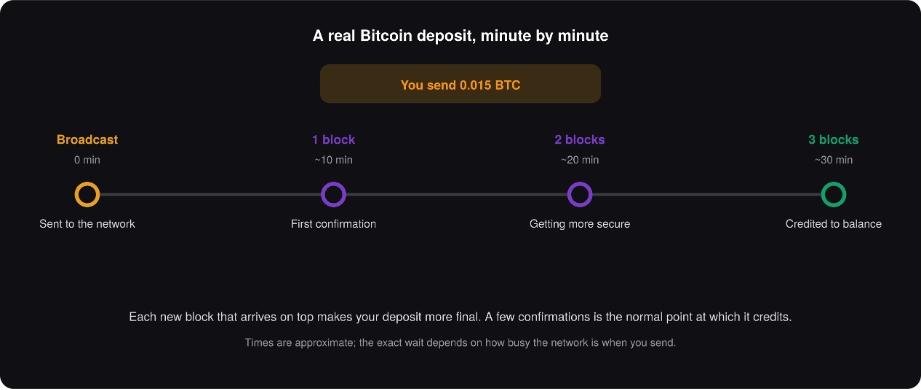
Figure 4: a real deposit, from send to credited
In practice, sending Bitcoin feels like this: you send the amount, the network broadcasts it, and then you watch a small confirmation counter tick up as each new block arrives, roughly every ten minutes. After a few confirmations the deposit is treated as final and credited. It is not instant, but it is completely predictable, and there is nothing you need to do while it settles.
Using Bitcoin on Flush.io
Depositing Bitcoin works exactly like any other coin: choose Bitcoin on the deposit page, copy the address shown, and send from your wallet or exchange over the Bitcoin network. Because confirmations take a little longer than on faster networks, a Bitcoin deposit may take a few minutes to appear while the network settles it, which is completely normal. Withdrawals work the same way in reverse, back to a Bitcoin address you control.
Good to know
It is the sturdier, slower option. Bitcoin confirmations take longer than newer networks, a fair trade for its unmatched track record and universal recognition.
Fees rise and fall with demand. Bitcoin network fees depend on how busy the network is at the moment you send, and the exact fee is always shown before you confirm.
It uses its own dedicated rail. Bitcoin moves over the native Bitcoin network, separate from the token rails like ERC-20 or TRC-20 covered in our crypto rails guide.
Accepted almost everywhere. As the original and most recognised cryptocurrency, Bitcoin is supported across virtually every exchange and wallet you might use.
You are not buying a whole coin. Since Bitcoin divides into 100 million sats, you can deposit whatever amount suits your budget, no matter the headline price of one Bitcoin.
A dependable first step into crypto. If you want the most established, widely understood option, Bitcoin is very often where people begin, and it pairs perfectly with the habits in our wallet security guide.
Was this helpful?
Still need help? Ask the team